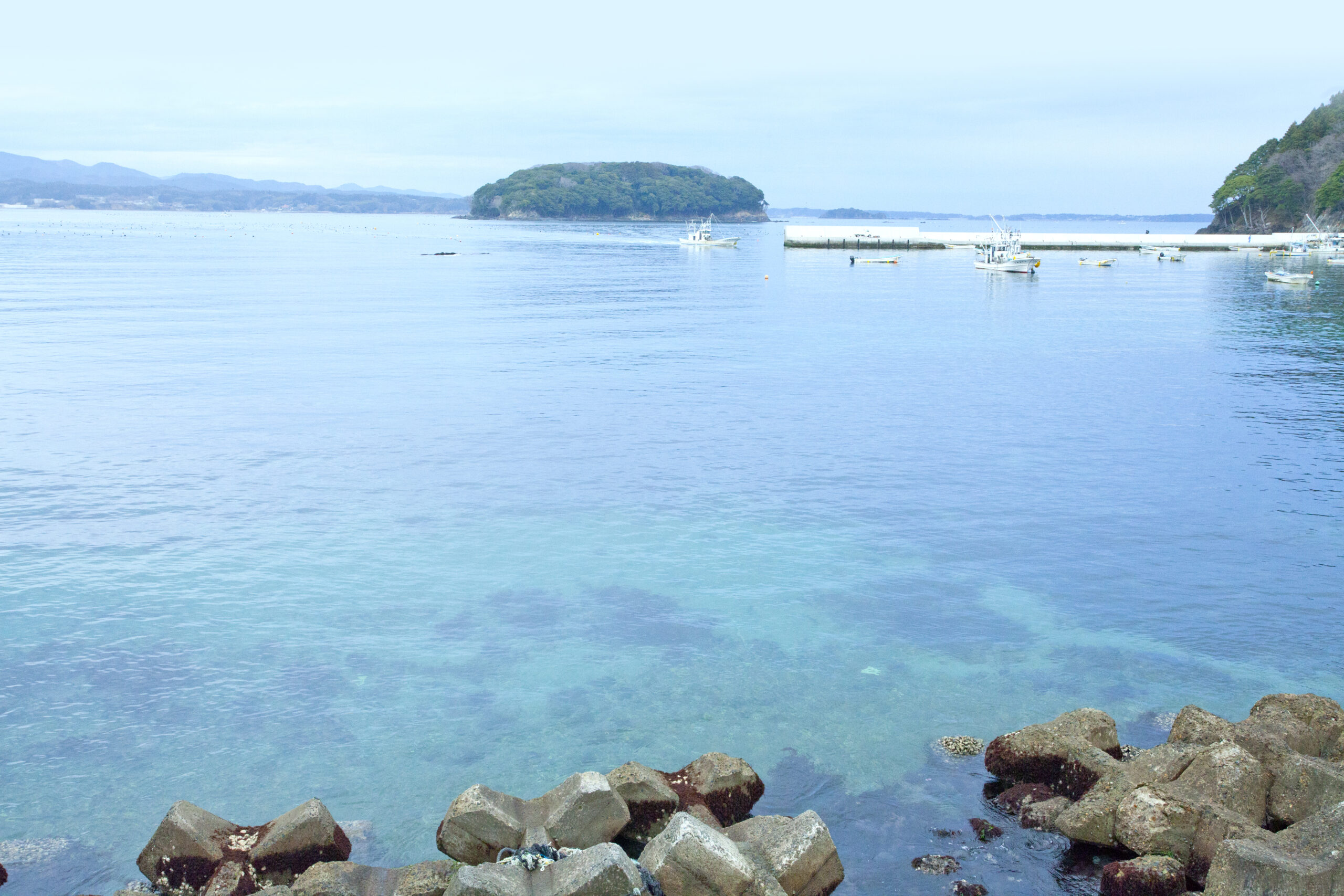
— Beyond the Tsunami —
Minamisanriku’s “1/3 Revolution”
and a Global Model for Sustainable Aquaculture
1. From Devastation to a Quest for “Creative Recovery”
On March 11, 2011, a massive tsunami triggered by the Great East Japan Earthquake struck the coastal areas of Minamisanriku, Miyagi Prefecture. The town’s core industry—aquaculture—was completely wiped out, with facilities, ships, and homes swept away in an instant.
Before the disaster, the sea was overcrowded with oyster farms. Fishermen competed for production volume, covering the sea with a dense carpet of rafts. This restricted seawater circulation, leading to poor nutrient distribution and a decline in oyster quality, often requiring two to three years for harvest. Facing a blank slate, the fishers realized that simply restoring the past would only lead back to the same unsustainable future. They made a bold decision to discard their old success stories for the sake of the town’s future.
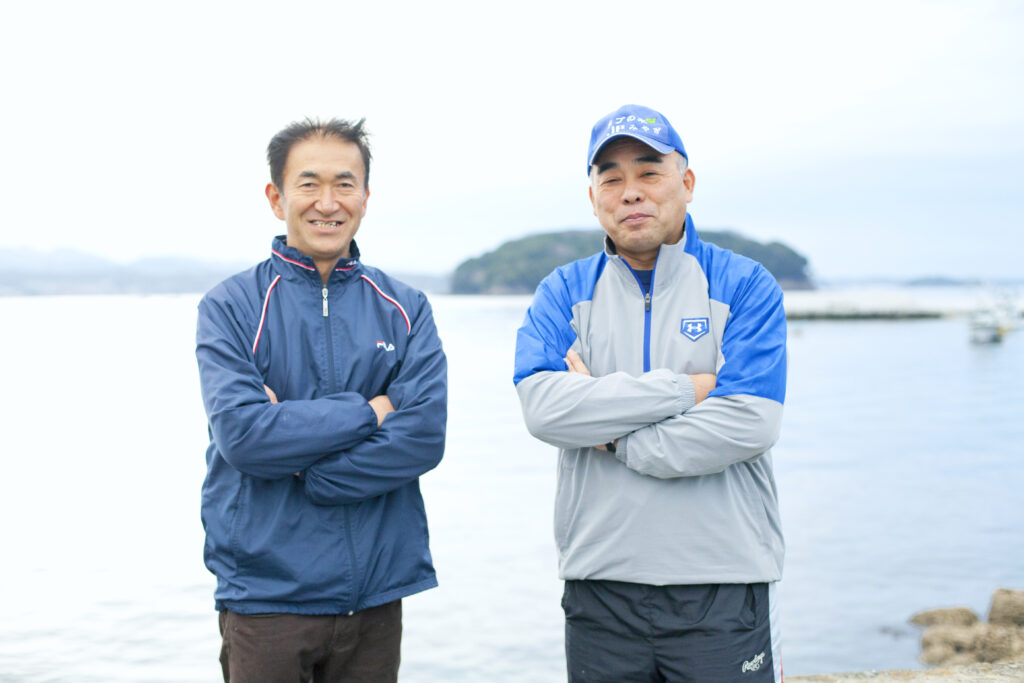
2. The “1/3 Revolution”: A Paradigm Shift from Density to Circularity
In 2012, the fishers from the Togura district made a historic choice: reduce the number of oyster rafts to one-third of their pre-disaster levels.
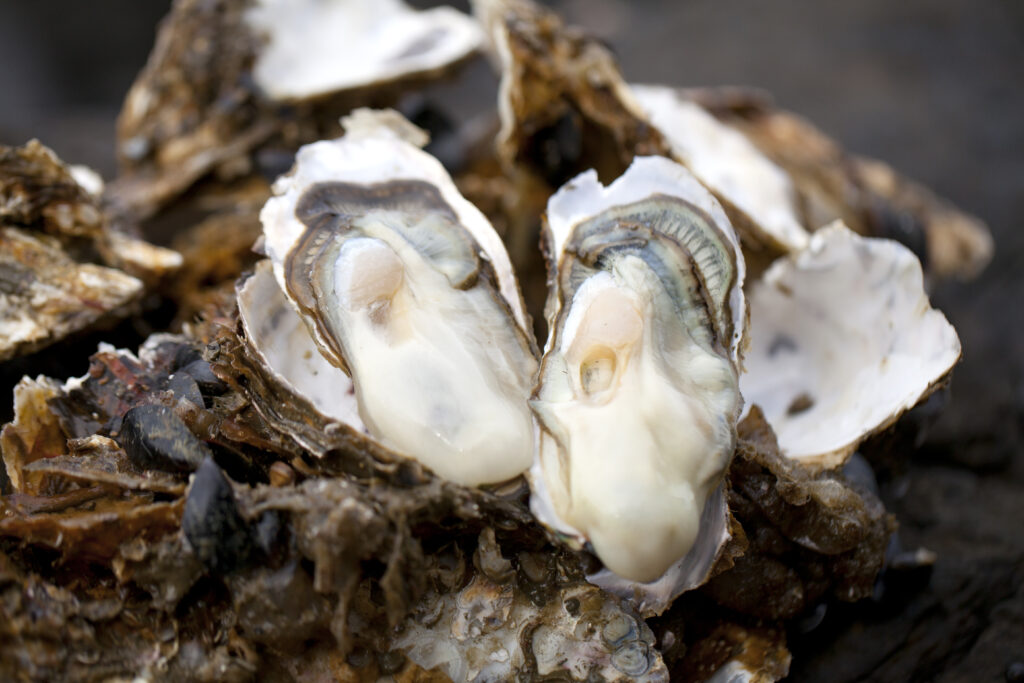
While there were initial fears that lower production would mean lower income, the results were dramatic. With fewer rafts, the rich nutrients of Shizugawa Bay reached every single oyster efficiently. The growth rate tripled, shortening the cultivation period from three years to just one. The oysters grew larger, and the quality improved significantly. This shift from “quantity to quality” became a new standard for sustainable fisheries, simultaneously improving profit margins and reducing labor hours.
3. Japan’s First ASC Certification: Globally Recognized Sustainability
This innovative, environmentally friendly model bore fruit in March 2016, when the Togura oyster industry became the first in Japan to receive ASC (Aquaculture Stewardship Council) certification. This achievement proved that Minamisanriku’s aquaculture the highest global standards for environmental and social responsibility.
The town’s commitment to sustainability extends beyond the sea. Minamisanriku also holds FSC® (Forest Stewardship Council) certification for its forestry. As of 2023, it is the only region in Japan to hold international certifications for both its forests and its seas simultaneously. Shizugawa Bay is also registered under the Ramsar Convention, creating an international brand built on the healthy cycle of “Forest, Village, and Sea”.
4. Resilience and “Learning Tourism” Rooted in Confidence
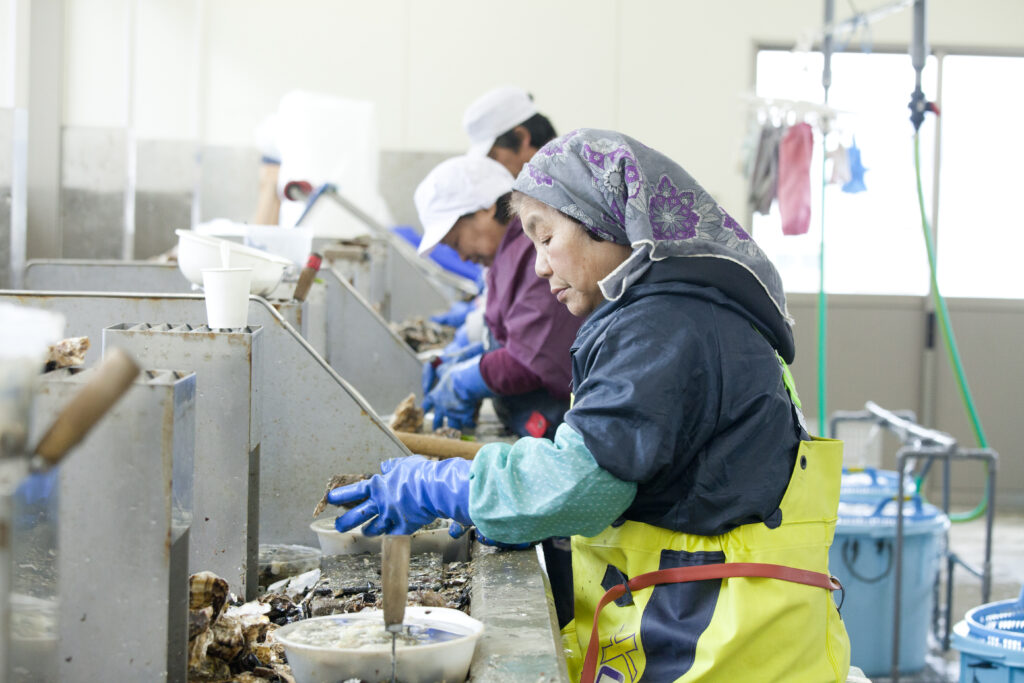
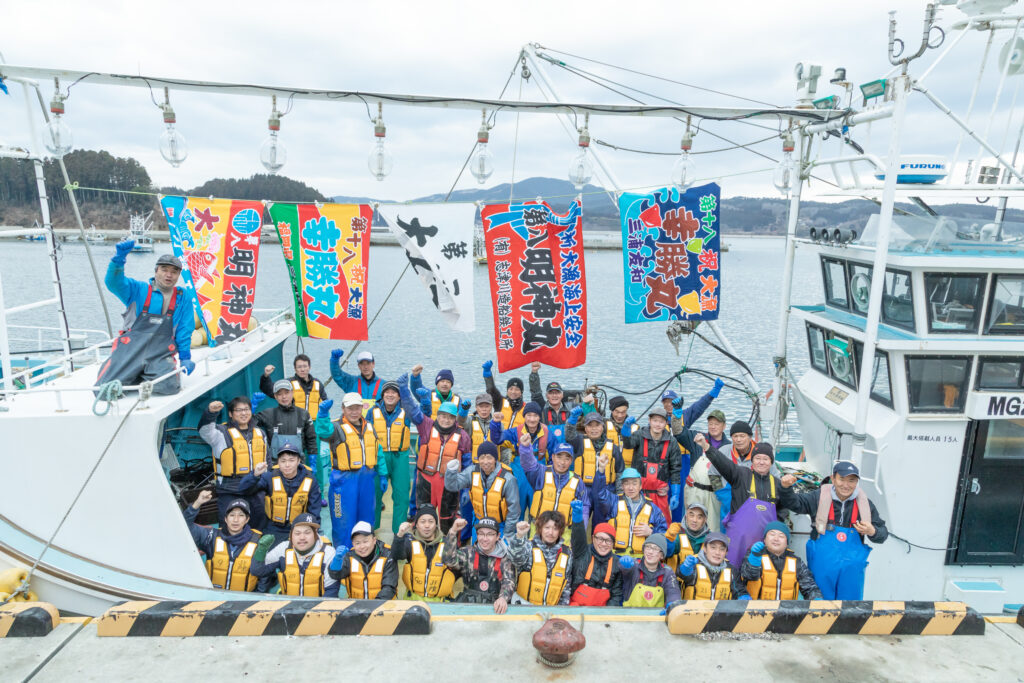
The disaster fundamentally changed the mindset of the fishers. Before the tsunami, many felt little pride in their products due to low quality. Today, they stand tall, connected directly to their consumers.
A new generation of young fishers are actively sharing the appeal of their harvest through social media and hosting exchange events to connect with consumers. One young fishers reflects that hearing direct feedback—a simple “it was delicious”—transformed their difficult decision into deep-seated “confidence”.
Today, this story is shared through “Learning Tourism to Nurture the Future,” an educational program for students and businesses from Japan and abroad. Looking out over the oyster rafts of Shizugawa Bay and listening to stories of “decision” and “resilience,” visitors are invited to rethink the meaning of a truly sustainable society.
Plan your visit
Come and see for yourself
Book an experience directly, or talk to us about a programme for your school, university or company.
Follow the town