What Stays in Their Hearts
the Most Are the Ordinary Moments
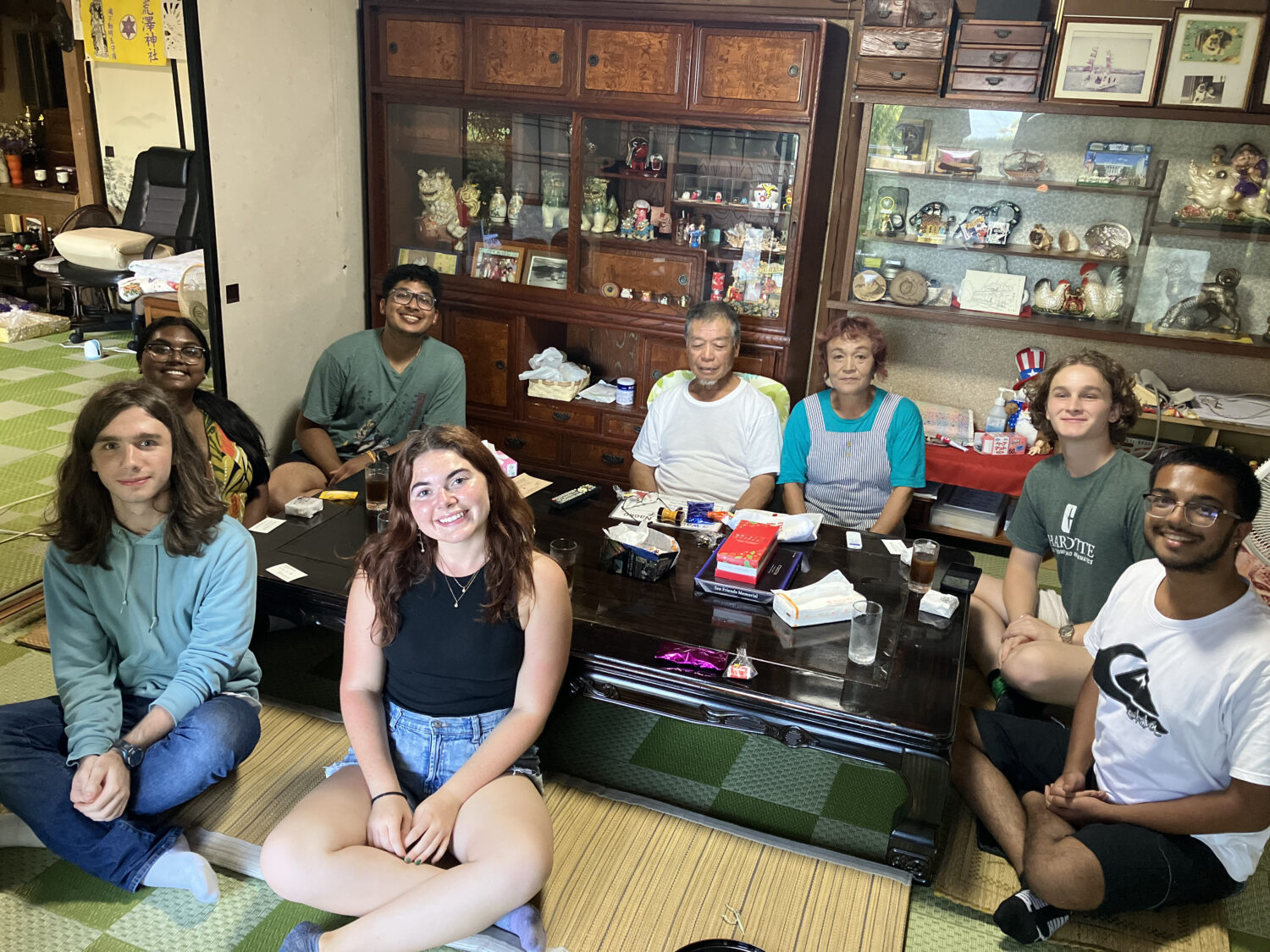
When we ask students who have returned home what they enjoyed most, they do not talk about sightseeing.
They talk about the families they lived with.
Features of Homestays in Minamisanriku
Homestays are described by participating students as their “best memory.”
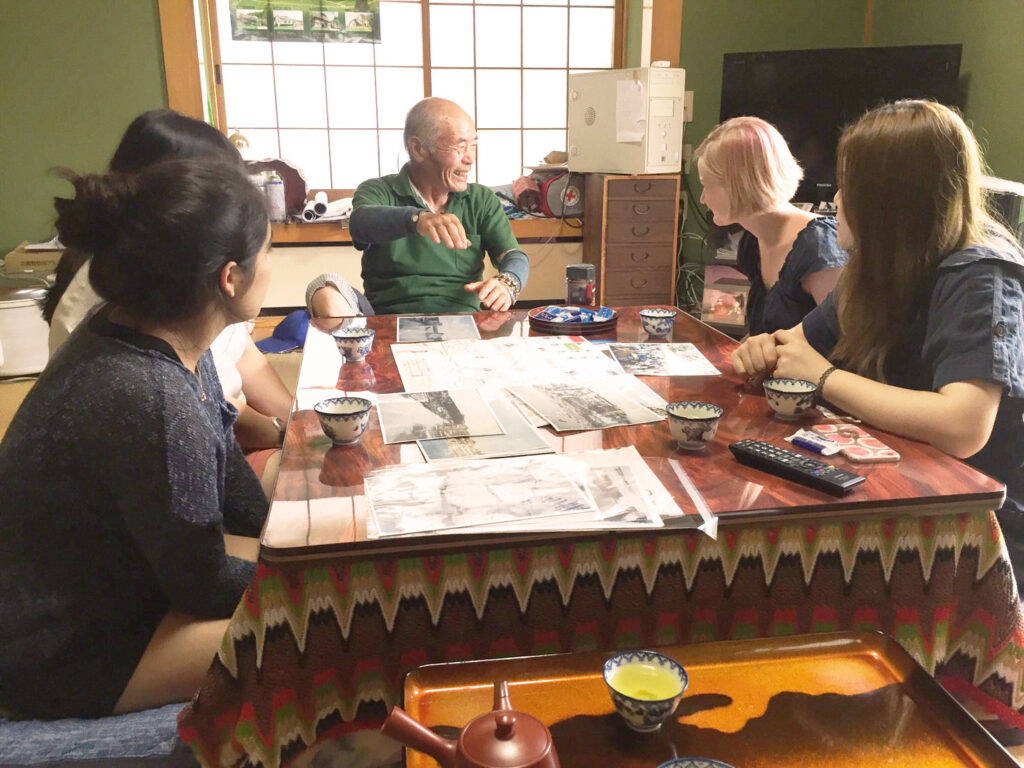
By staying for several nights with local families engaged in agriculture, fishing, or running guesthouses, students experience “ordinary daily life” that cannot be experienced on a sightseeing trip.
The anxiety and nervousness before departure turn into “I want to see them again” by the time they leave.
Because of the long stay, students can meet “another family” in Japan.
| Host Family | Ordinary families engaged in agriculture, fishing, or running guesthouses in Minamisanriku |
|---|---|
| Recommended Length of Stay | Multiple nights. The longer you stay, the deeper the relationship becomes. |
| Short-Stay Options | One-night homestay or a home visit of approximately three hours. |
| Language | Japanese. Host families adjust to each student’s level of proficiency. |
| Hosting System | Host family selection criteria, an insurance system, and an emergency response manual are in place. |
A Typical Day During a Homestay
While every family spends their time differently, a typical day looks something like this.
While eating breakfast prepared with the host family, conversations begin with “What are we doing today?”
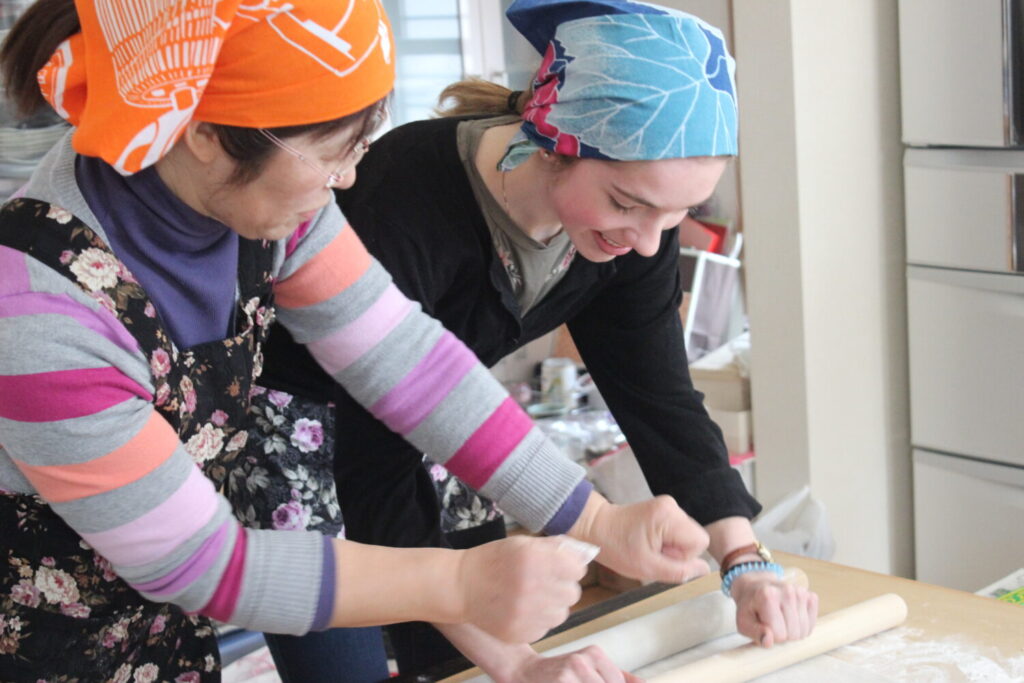
Participate in a variety of programs, such as disaster preparedness learning, Japanese language learning, shrine visits, agricultural experiences, and Kiriko experiences.
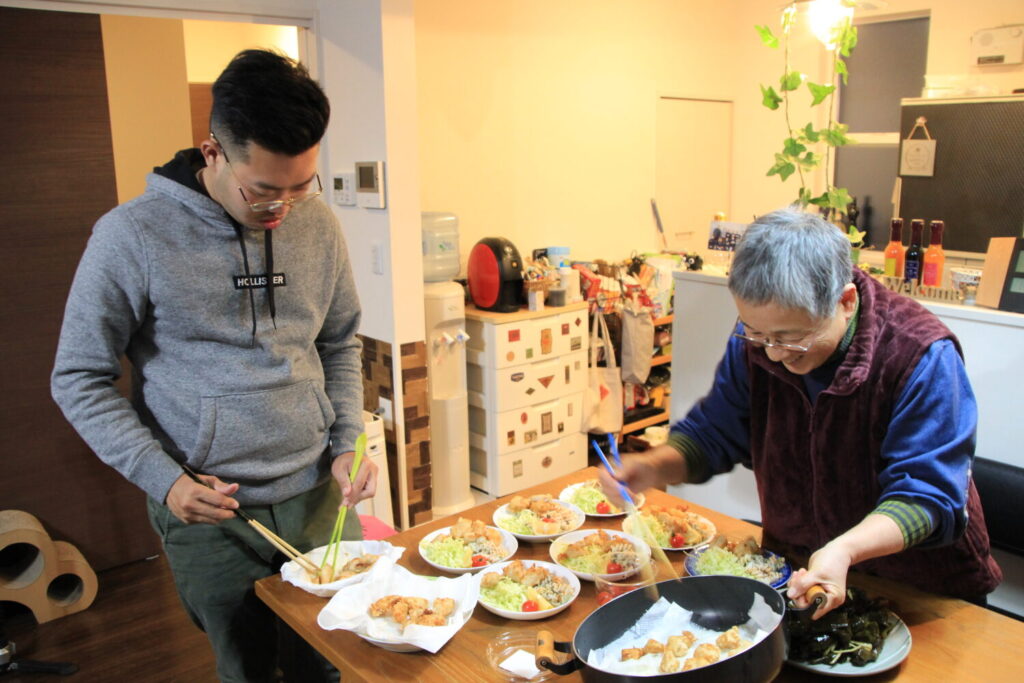
After returning home, prepare dinner together with the host family. Students help by cutting ingredients and arranging the dishes.
The whole family gathers around the table and enjoys conversations about school, cultural differences, and more.
After dinner, students help clean up, watch TV together, and spend important time talking about each other.
Go to bed early to prepare for the next day’s activities.
Benefits of Long-Stay Homestays
Four things to learn that cannot be gained through sightseeing alone.
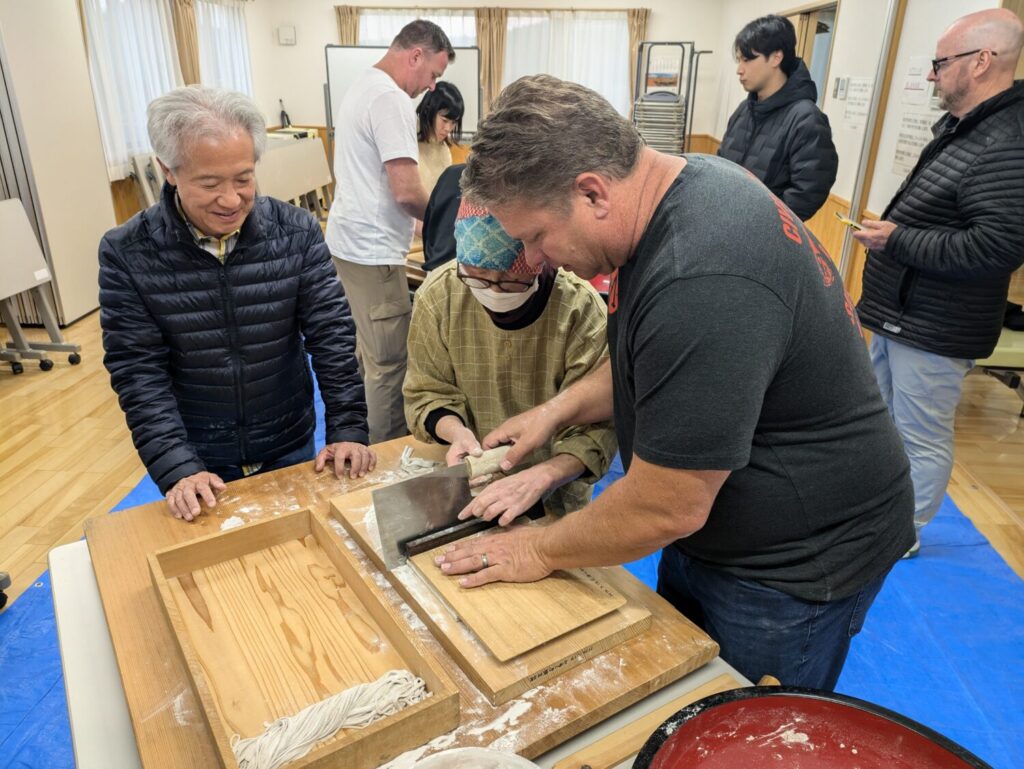
Understanding Other Cultures
Experience Japanese Culture and Values Through “Daily Life”
A homestay is a valuable opportunity that cannot be gained through sightseeing. Through conversations at the dining table, the way a family thinks, and how they spend their days off, students can experience Japanese culture and the warmth of its people firsthand.
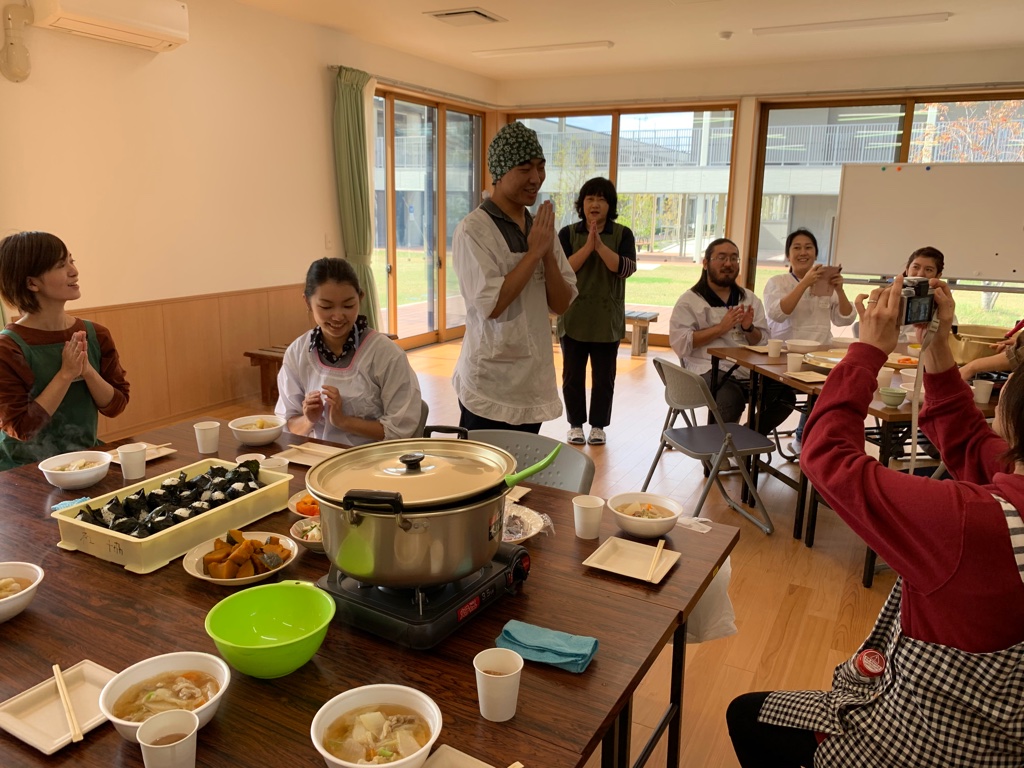
Improved Language Skills
Naturally Learn Japanese That Connects You with People
Through daily conversations with the host family, students encounter expressions and natural Japanese that are not found in textbooks. By accumulating experiences of actually using Japanese, knowledge gradually becomes practical ability.
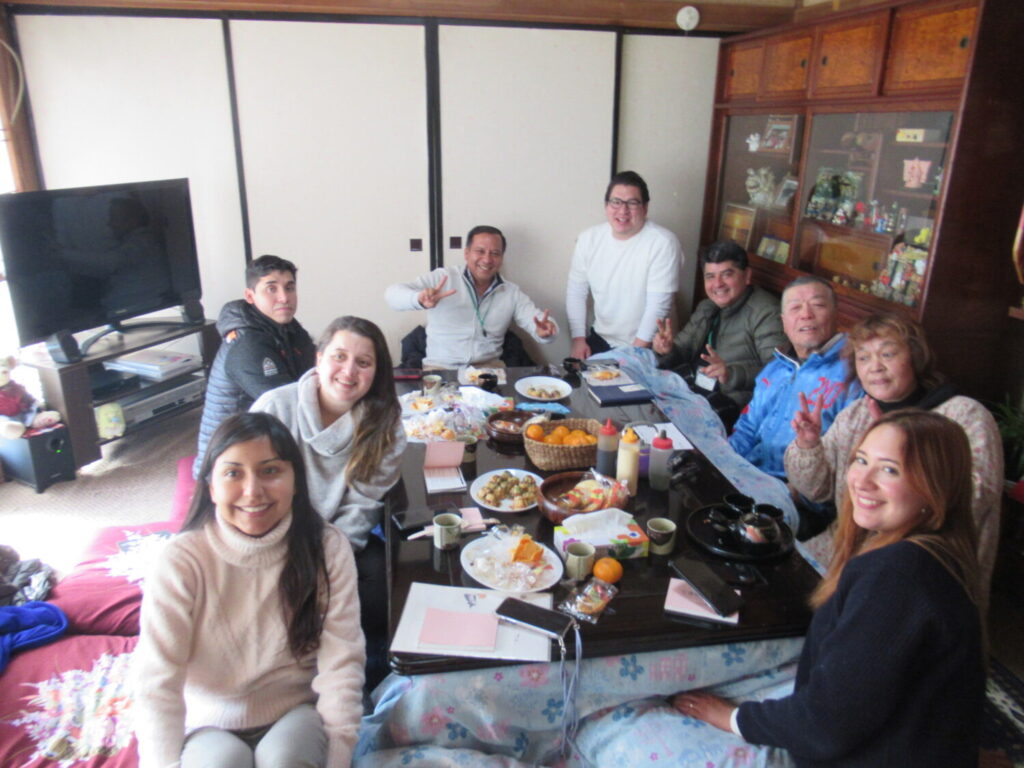
Improved Life Skills
Naturally Develop the Ability to Think and Act for Yourself
While living in another family’s home, students naturally develop attitudes such as following rules, being considerate, and thinking and acting for themselves. They develop independence and cooperation that will lead to their future education and social life.
Emotional Support
The Sense of Security of Having Someone Nearby Supports You
Even during a first long-term stay, students can feel secure because their host family is nearby. Having someone they can rely on when they feel anxious or unwell provides reassuring support.
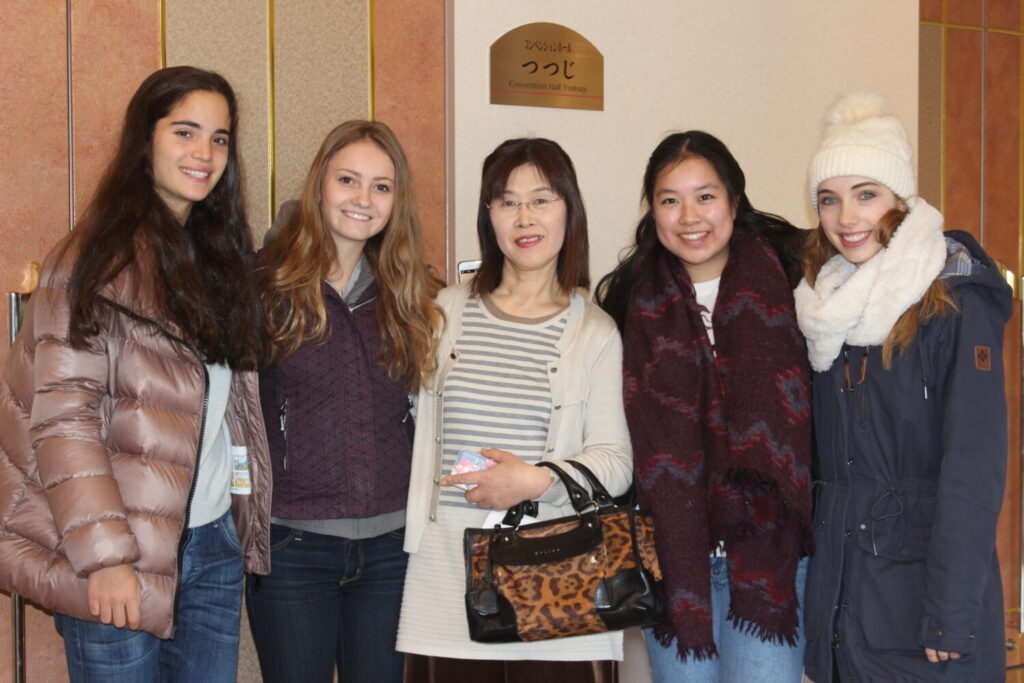
Welcome Ceremony and Meeting the Host Family
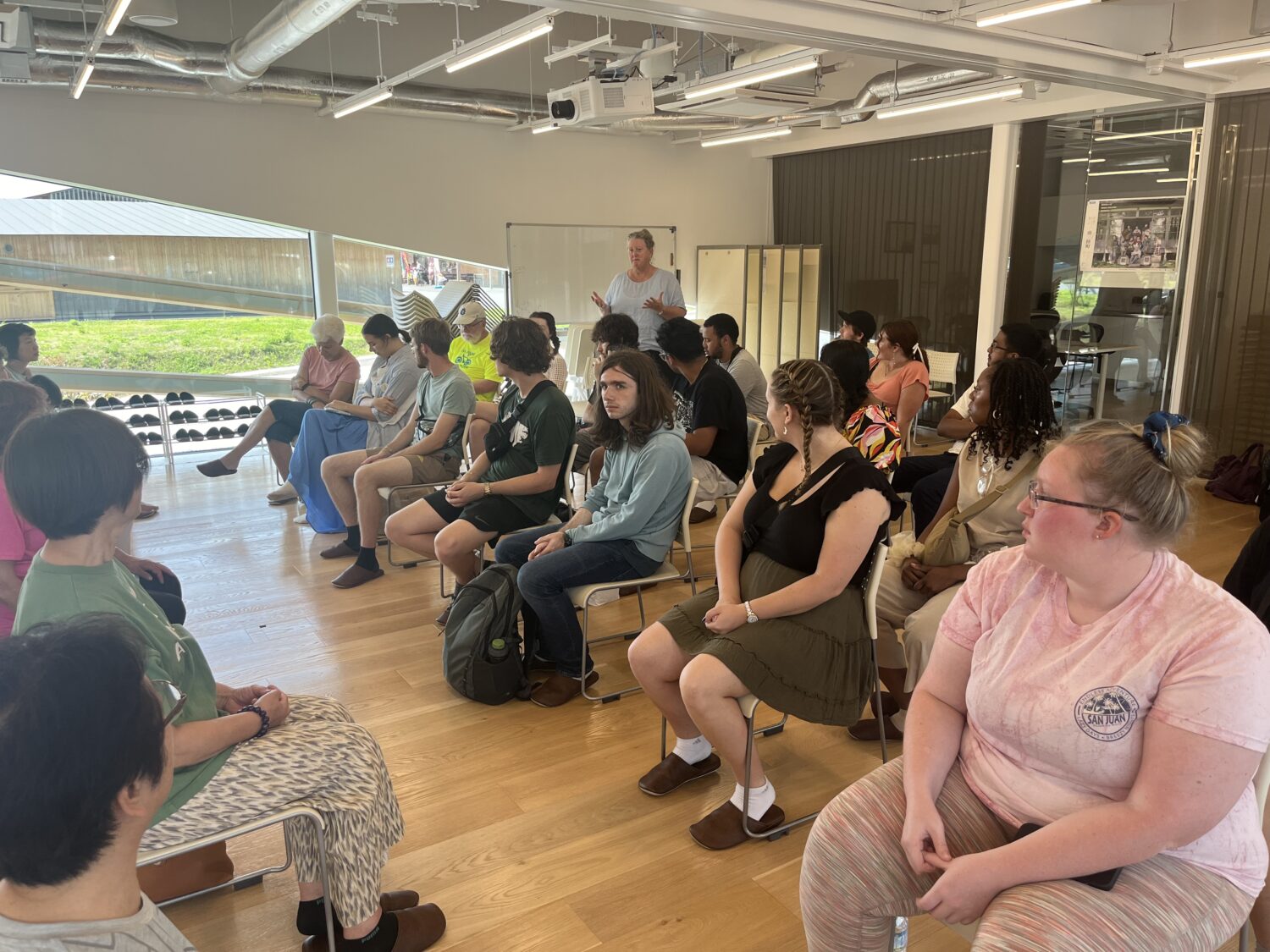
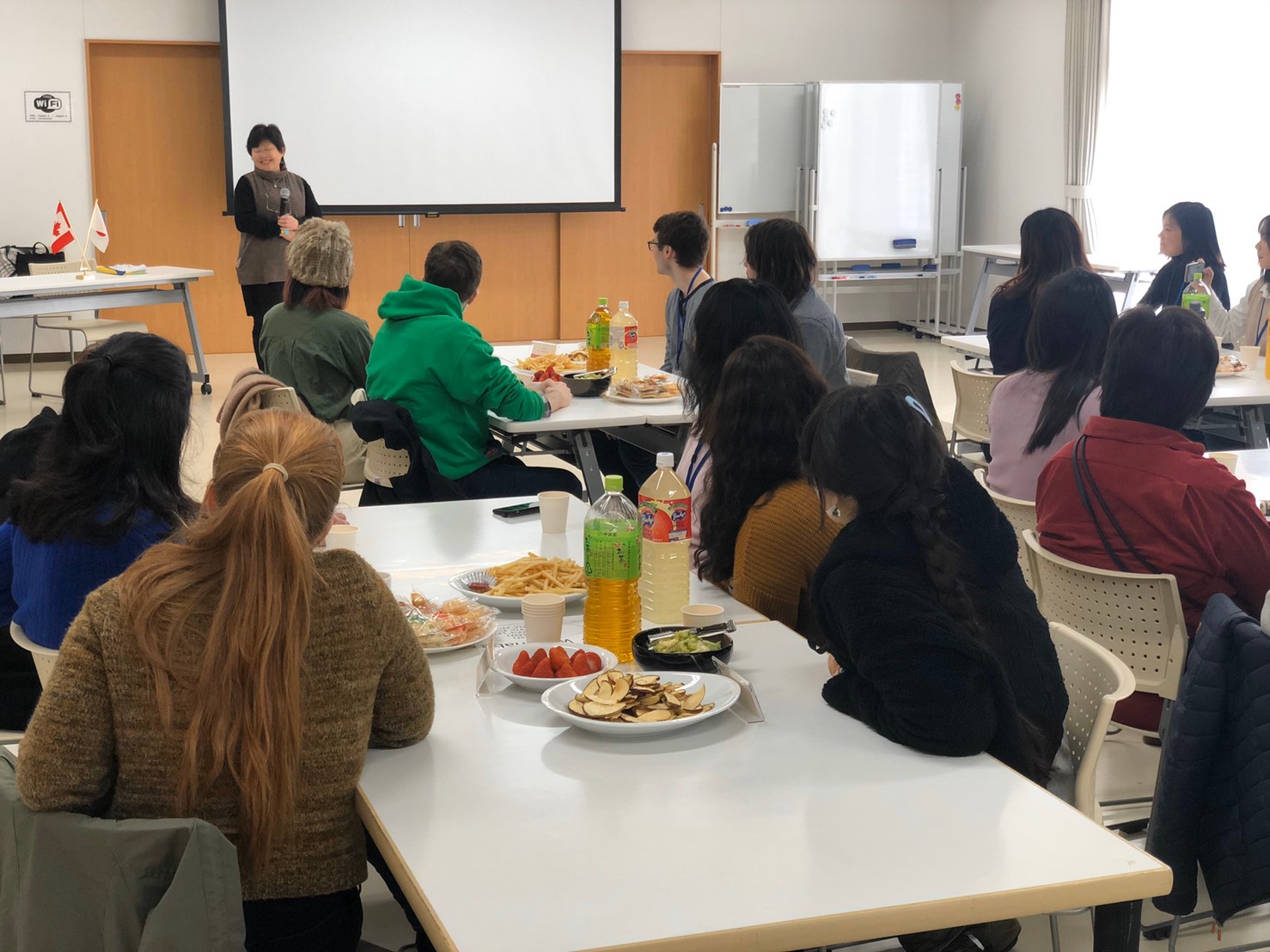
On the first day, we provide various opportunities for interaction to help ease everyone’s nervousness.
For all participants visiting Minamisanriku for the first time, we first introduce Minamisanriku.
The homestay begins with a face-to-face meeting. Although there may be nervousness and anxiety, participants head to their host family’s home with anticipation.
Farewell Ceremony
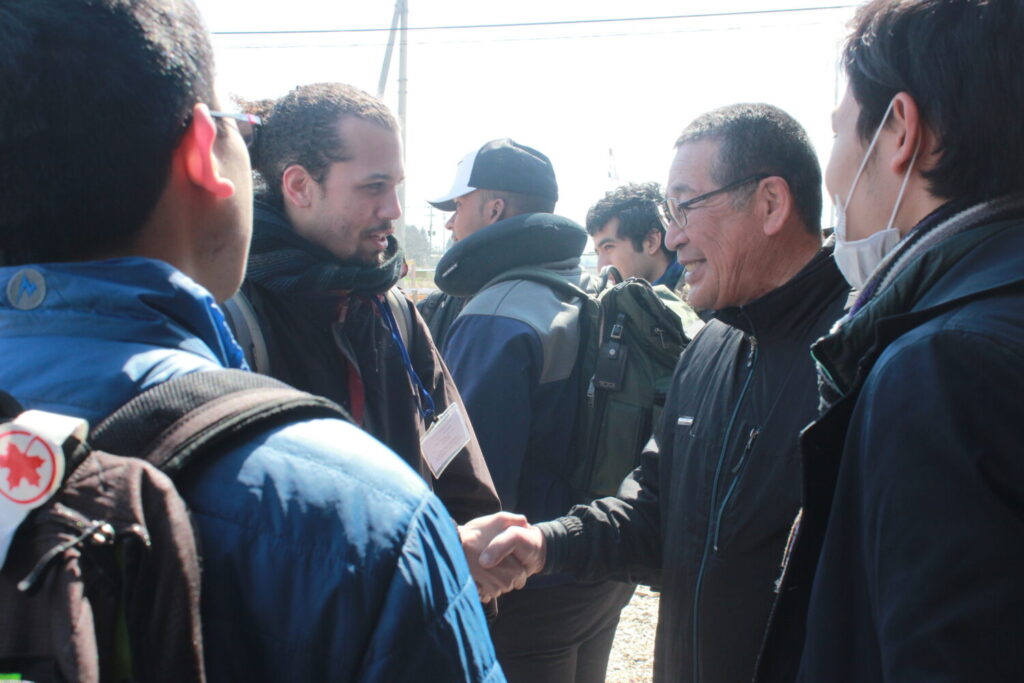
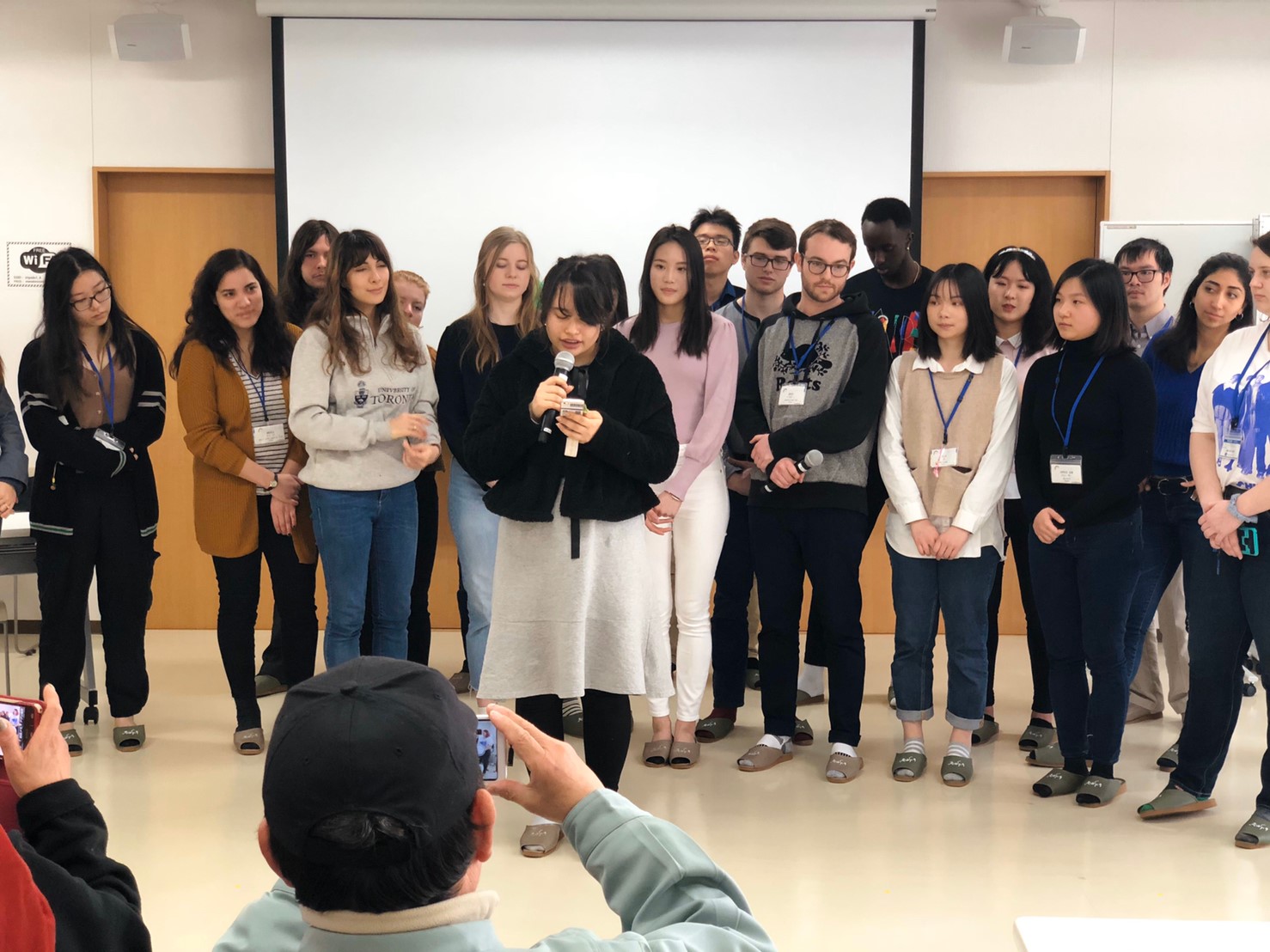
Despite staying for only a few days, family-like exchanges continue even after participants return home.
Participants who were nervous at the first meeting develop relationships with their host families like those of a real family.
They exchange words such as “Come visit us again” and “You were just like our own child,” as they sadly say goodbye to each other.
When natural disasters occur in either country, they check on each other’s safety, and sometimes participants are even invited to weddings.
During the trip, I was able to have many special experiences.
Taiwanese university student / Male
The homestay experience was especially memorable.
My host father and mother cooked delicious meals for me every day, and I was full every day.
I don’t think I could have had such a special experience even if I had visited Japan 100 times as a tourist.
This trip was far more fruitful than I had imagined.
If a Long-Term Stay Is Difficult
“One-Night Homestay” or “Home Visit Experience (Day Trip)”
If you do not have enough time for a long-term homestay, we also offer a one-night homestay.
If it is difficult to stay at a local family’s home, we also recommend a “Home Visit,” where participants stay with a family for approximately three hours.
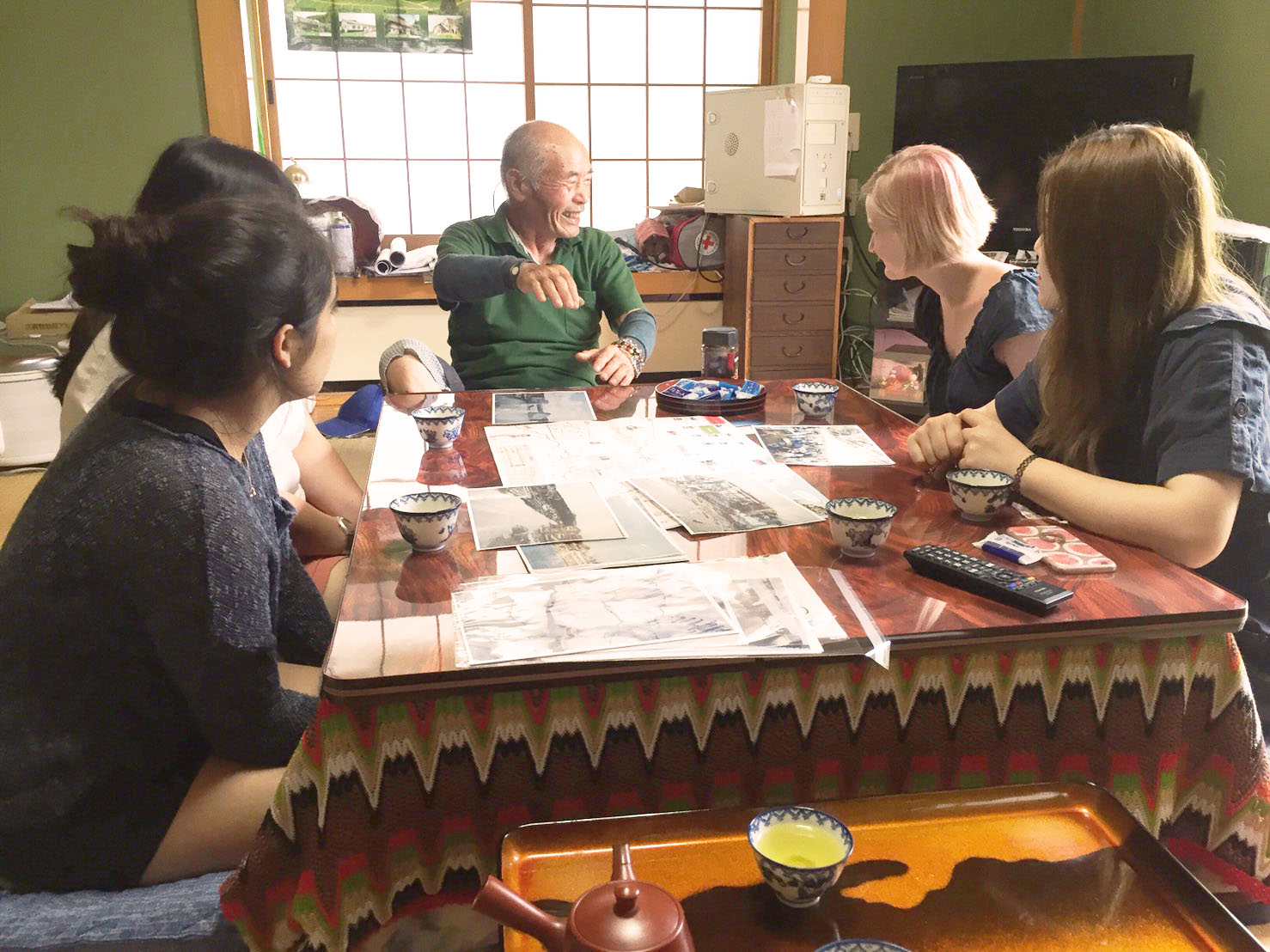
One Night
One-Night Homestay
Dinner, breakfast, and one night. Even during a short stay, it is still time spent with a family.
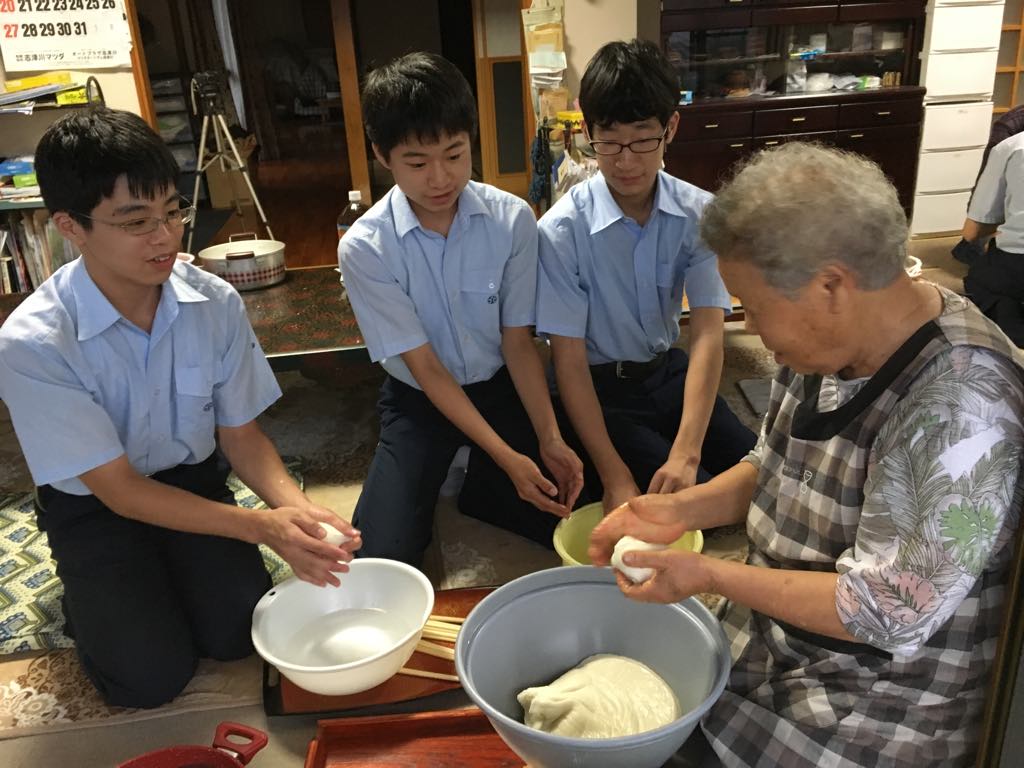
Day Trip
Home Visit Experience (3 Hours)
Cooking together and taking a walk around the neighborhood. Even during a short stay, you can fully enjoy rural life in Minamisanriku.
Plan your visit
Come and see for yourself
Book an experience directly, or talk to us about a programme for your school, university or company.
Follow the town